
What Does It Mean to Have a Trauma-Informed Philosophy and a TBRI®- Guided Practice?
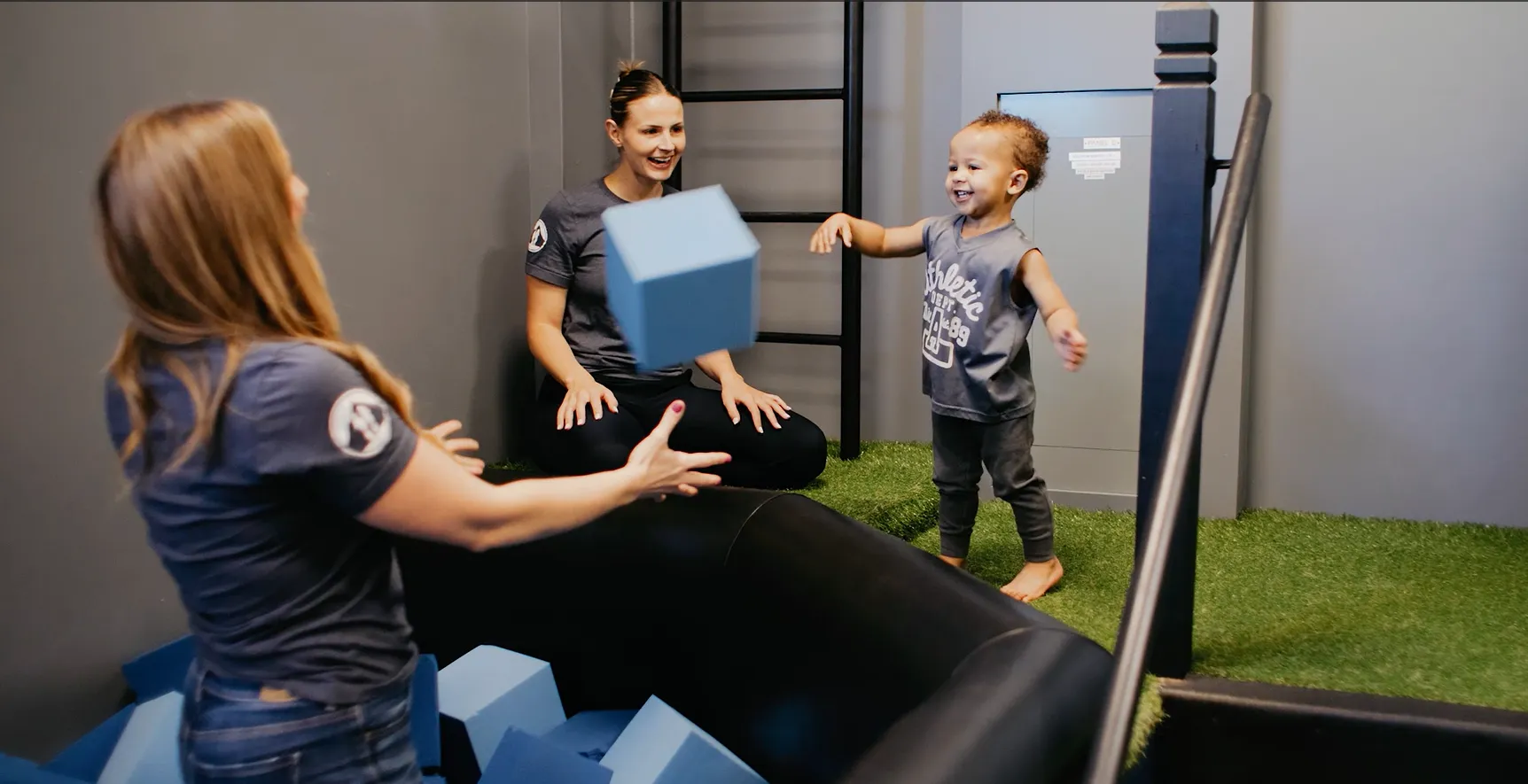
At Whole Kids Co., we believe healing begins with relationships. Children who have experienced adversity need care that supports every part of who they are—their emotions, their bodies, their connections, and their sense of belonging. From the moment a family walks through our doors, our goal is for them to feel safe, supported, and seen. Whether in therapy sessions, at the front desk, or in playful, sensory-rich environments, every interaction is designed to nurture growth and create space for healing.

Our Trauma-Informed Philosophy
Trauma-informed care (TIC) is the overarching philosophy behind everything we do. It assumes that any child may have experienced trauma and ensures that services—whether mental health, ABA, or rehab—are delivered in ways that:
-
Create safety
-
Build trust
-
Empower families
-
Promote healing
By centering families in the process, focusing on the whole child, and creating environments where children feel safe and engaged, we equip them to build confidence, find regulation, and form stronger, healthier relationships.
Trauma-Informed Care in Mental Health
Definition: Recognizes that past trauma (abuse, neglect, violence, or systemic adversity) can underlie or worsen mental health conditions.
How it’s applied:
-
Creating physical and emotional safety
-
Emphasizing choice, collaboration, and empowerment
-
Framing interventions through how trauma affects emotions, behaviors, and relationships
Why it matters: Therapy addresses not just symptoms but also the root adaptations children make to survive trauma.
Trauma-Informed Care in ABA
Definition: Acknowledges that children—especially neurodivergent children—may have experienced trauma, and ABA interventions should minimize stress, coercion, or perceived threat.
How it’s applied:
-
Emphasis on consent and assent
-
Supportive, not punitive reinforcement systems
-
Building trust and relationships first
-
Adapting interventions to avoid triggering trauma responses
Why it matters: Trauma-informed ABA bridges behavioral science with the understanding that emotional safety and relationships are as important as skill acquisition.
Trauma-Informed Care in Pediatric Rehab (OT, PT, Speech)
Definition: Recognizes that medical interventions, hospitalizations, disabilities, or past therapy experiences may themselves be sources of trauma.
How it’s applied:
-
Starting sessions with connection and predictability
-
Structuring environments to feel safe, calm, and empowering
-
Adapting exercises and communication to avoid overwhelming the nervous system
-
Building on strengths and celebrating successes
Why it matters: Trauma-informed rehab promotes engagement, resilience, and trust, helping children benefit fully from therapy.
TBRI®: The Practical Model Within Trauma-Informed Care
Trust-Based Relational Intervention (TBRI®), developed by Dr. Karyn Purvis and Dr. David Cross, is an evidence-based model for children who have experienced trauma, including attachment, developmental, abuse, medical, institutional, or systemic trauma.
Where trauma-informed care gives the “what and why,” TBRI gives the “how.” It equips our team with practical tools through three pillars:
-
Connect: Build safe, trusting relationships that foster emotional security and healthy attachment.
-
Empower: Support children in managing physical and sensory needs, creating felt safety and a sense of control.
-
Correct: Guide behavior through gentle, proactive strategies that teach skills rather than punish.
How They Work Together
-
Trauma-Informed Care: The lens and philosophy—assume trauma may be present and design care to be safe, supportive, and healing.
-
TBRI: The method and strategies—provides relational tools to implement trauma-informed principles in everyday interactions.
This combined approach allows our staff to respond with empathy and confidence—reducing fear-driven behaviors and creating opportunities for healing and growth.
Training & Certification
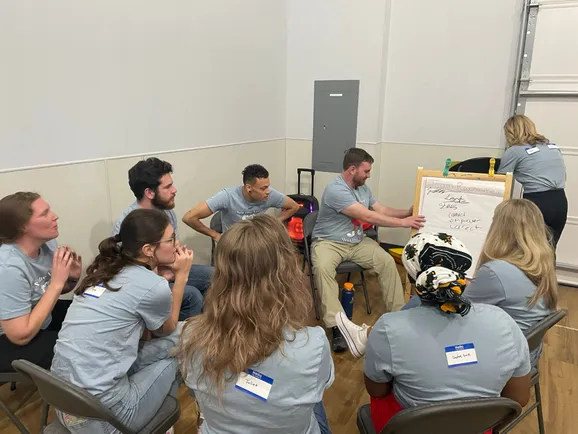
Every member of our staff completes annual WKC Trauma-Informed Care Training, which includes:
-
Hands-on practice with real-life scenarios
-
Tools for navigating dysregulation with calm and confidence
-
Strategies to apply trauma-informed principles in clinical and everyday settings
-
Team-building and reflection to strengthen our culture of compassionate care
Staff can also deepen their expertise through two levels of certification:
-
Level One Practitioner: Completion of annual training
-
Level Two Practitioner: Advanced certification for team members who want to grow in trauma-responsive support
Our CEO, Christie, is TBRI® Certified and personally trains our team each year in the principles of Connect, Empower, and Correct. Her lived experience as a parent of a child with special needs brings personal empathy and perspective to our leadership.


Schedule an Intake Appointment
Call us at 719-344-9342 to schedule an intake appointment at one of our centers:
North Location: 11681 Voyager Pkwy, Suite 150, Colorado Springs, CO 80921
South Location: 3245 International Circle, Suite 200, Colorado Springs, CO 80910
Or fill out the form below.
We are here to journey with you!